Call For Art: Top Tips For a Strong Submission

Submitting to calls for art is one of the most effective ways to build your exhibition history, gain visibility, and connect with galleries and curators. Whether you’re an emerging artist or have been exhibiting for years, a strong submission can make a significant difference for your art career.

Since we’re currently reviewing entries for First Look 2026, we wanted to share some helpful tips that apply to any call for art, while also giving you a sense of what we value at Panopticon Gallery.
1. Choose Work That Represents Your Current Artistic Voice

Most juried calls look for work that feels fresh, relevant, and reflective of where you are creatively. Select pieces that show what you’re exploring now, rather than older work that no longer aligns with your direction.

For First Look 2026, we especially appreciate submissions that show clarity of intention—whether the work is finished, experimental, or part of a developing series.


2. Edit Your Selection Thoughtfully

A cohesive submission is almost always stronger than a broad or varied one. Aim to choose works that speak to each other visually or conceptually.

For First Look, a focused submission shows us how your ideas connect, and it helps us understand your voice quickly and clearly.

3. Keep Your Artist Statement Clear and Concise

Jurors and curators appreciate statements that are readable, honest, and to the point. Avoid overly academic language unless it truly fits your practice.

For example, a strong statement for First Look might include:

  • Your subject, themes or questions.

  • Personal connection, or what drives the work you submitted.

  • Your artistic process.

No need for long essays, clarity and a strong personal connection is more impactful than length.

4. Share a Bit About Your Process

Many jurors appreciate knowing how the work was made, especially if your process directly informs the message of your project. Whether you use alternative processes, digital manipulation, or mixed media, a short explanation can often deepen our understanding.

For First Look, process notes are especially helpful because our audience loves both photographic craftsmanship and conceptual experimentation.
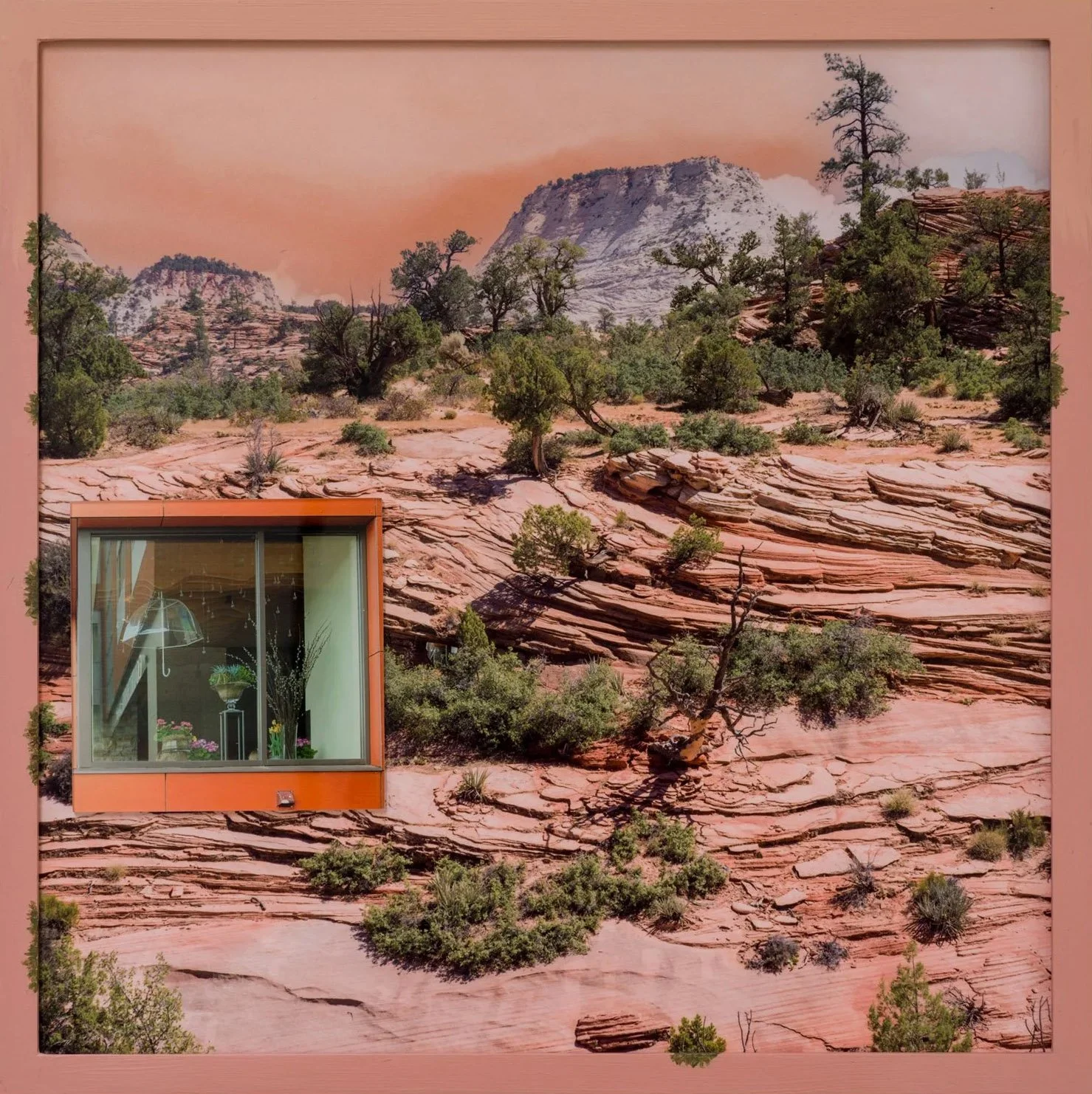
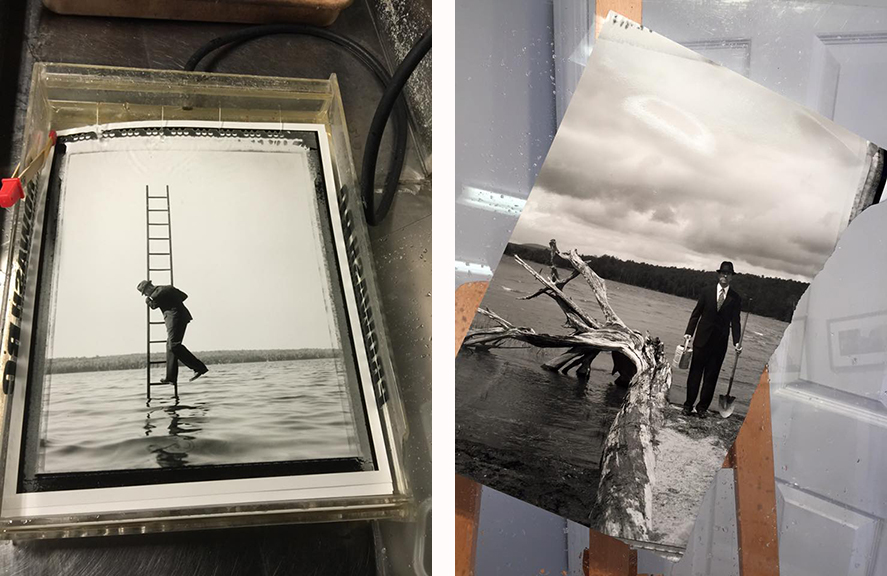
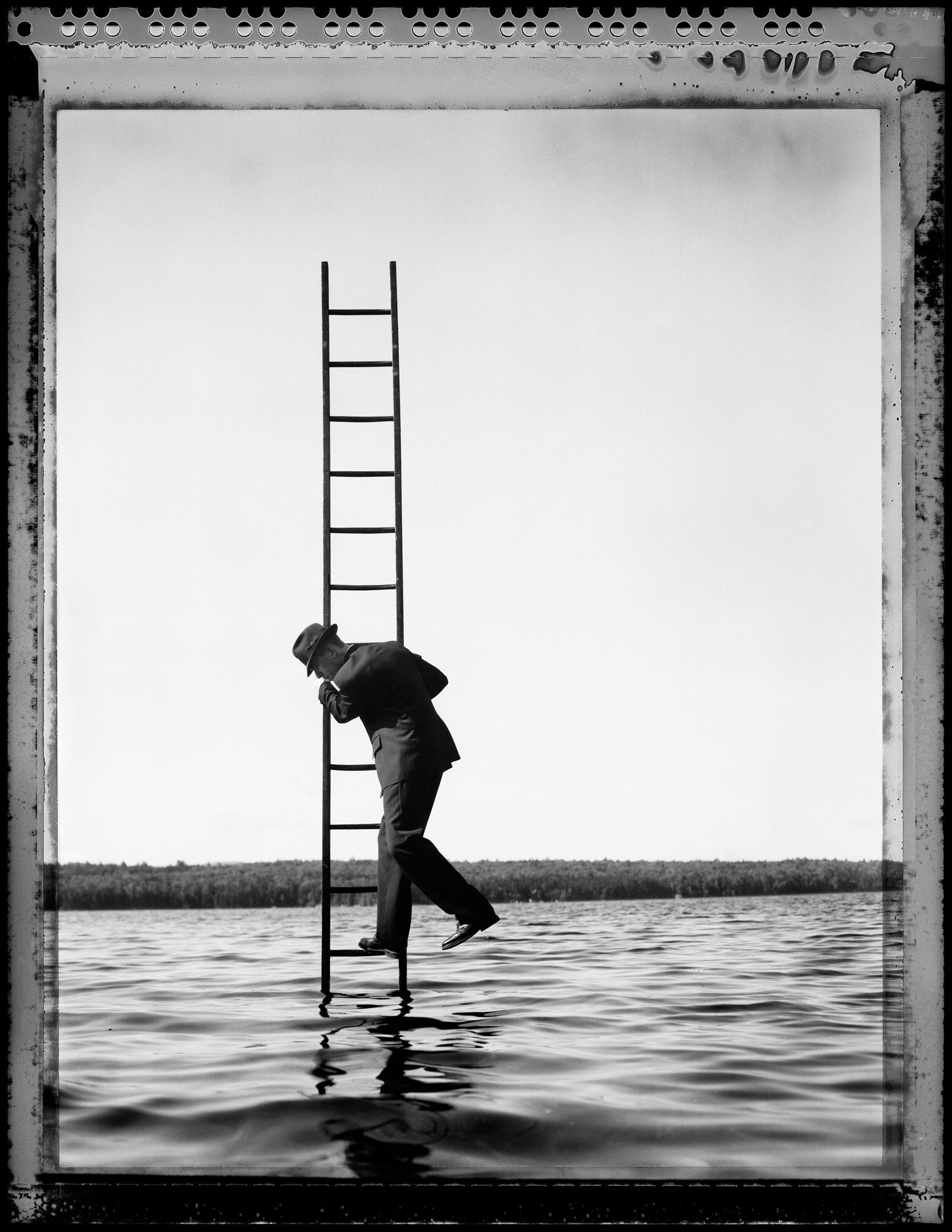
Image: Diana Nygren Cheren, Chance of Rain, First Look 2026

5. Follow File Guidelines Carefully (Size, Format, and Color Space Matter)

Most calls for art (especially photography-focused ones like First Look) rely entirely on digital files for the jurying process. Because of that, following the technical guidelines exactly is one of the most important, and most overlooked, parts of a strong submission.

Every gallery has slightly different requirements, but here are the essentials:

  • Match the requested file size and dimensions
    Oversized files may not upload correctly, and undersized files can look pixelated or blurry during review. If a call asks for, say, 1500px on the long side or under 5MB, stick to it.

  • Use the correct file format
    Most galleries (including Panopticon Gallery) prefer JPEGs because they load quickly. Avoid TIFFs, PSDs, or HEICs unless requested.

  • Export in the requested color space
    Calls often specify sRGB, as this is the preferred profile for digital viewing, which ensures consistent color across screens. Submitting files in AdobeRGB or ProPhoto can lead to muted or inaccurate colors when viewed by jurors, preventing your work from being viewed as you intended..

  • Name your files clearly
    Use the naming format provided by the call, usually something like:
    LastName_FirstName_Title.jpg
    Clear filenames help keep your submission organized for jurors during the review process.

  • Avoid heavy compression
    Over-compressed images show artifacts, banding, and loss of detail. Aim for high-quality JPEGs that meet the size guidelines without sacrificing clarity.

  • Check your brightness and contrast on multiple screens
    What looks correct on one device may appear too dark or washed out on another. A quick check on a second screen can make a big difference.

For First Look 2026, clean, properly exported files allow us to evaluate your work fairly and accurately. They help your images stand out for the right reasons.
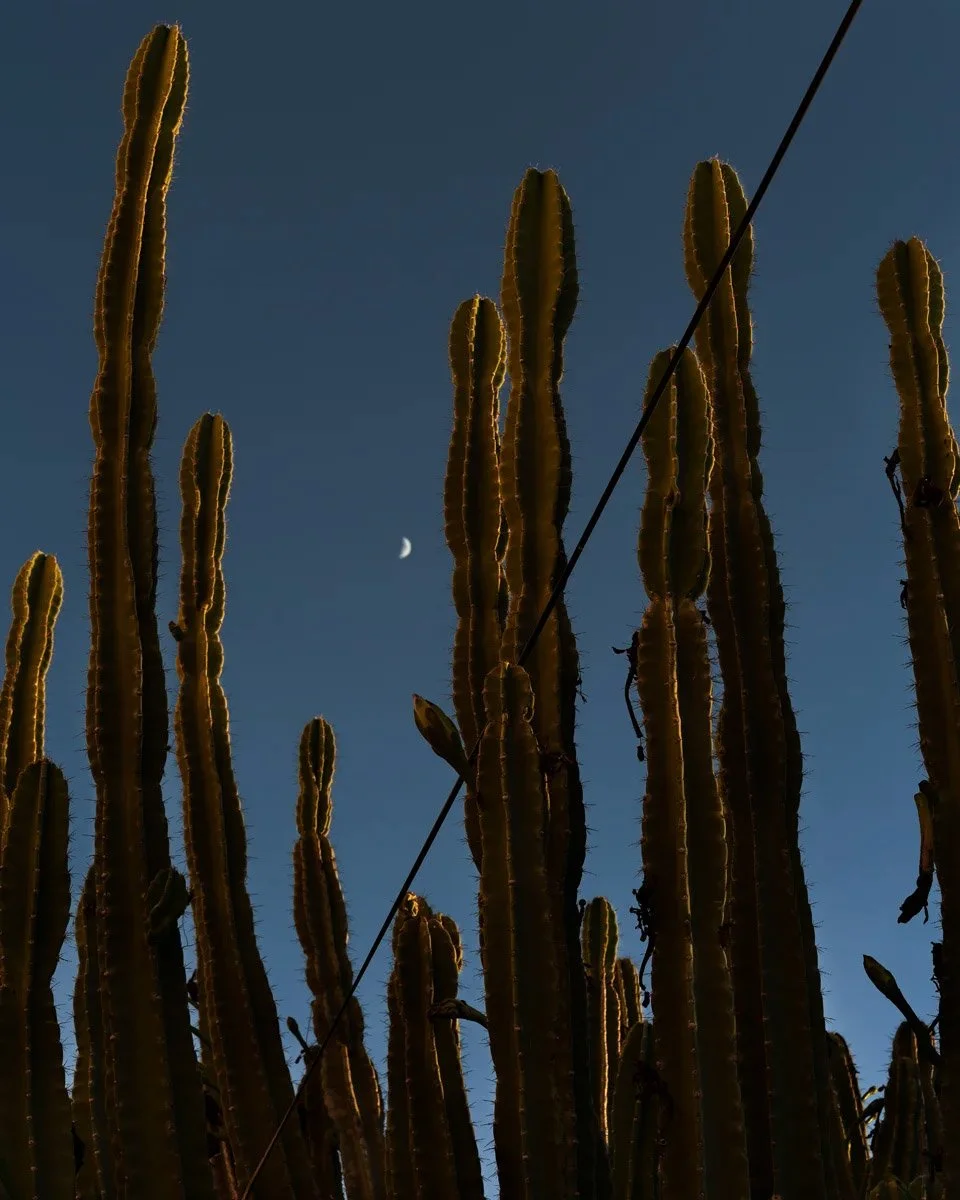
Left image shows the file exported correctly with sRGB, while the image on the right was incorrectly exported as ProPhoto. Note the differences in saturation, color, and contrast which change the way the image is represented. Image by Alexa Cushing

6. Consider How the Work Lives in Space

Even if the call doesn’t ask for presentation details, think about scale, context, and how the piece might appear in a gallery. This helps you select your strongest work and can guide you in describing it.

Because First Look is a gallery exhibition, we often envision how each piece could function on the wall or in conversation with other works throughout our jurying process.
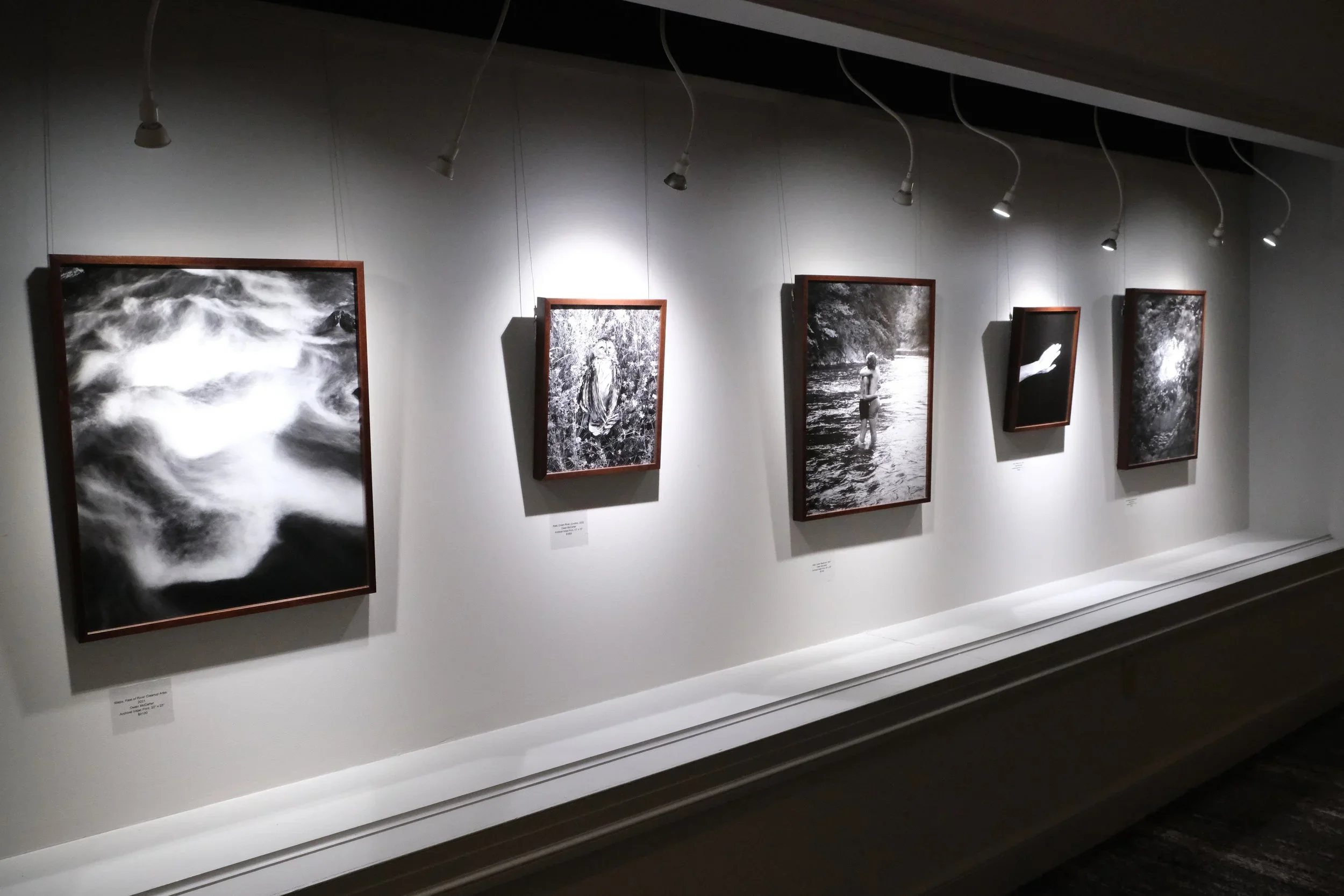
Photos: Owen McCarter, Three Eyed Fish from First Look 2023

7. Submit Before the Deadline if Possible

While many artists upload at the last minute (no shame!), submitting early has advantages:

  • Fewer technical issues

  • More time to review your materials

  • More time for curators to sit with your work

For First Look 2026, early submissions help us spend more time with each entry, and they tend to stand out. We also like to share current submissions on social media to promote the call for art, so submitting your work early allows for more opportunity for your work to be promoted!

Why Submitting to First Look Matters

If you’re looking for a strong opportunity to share your work, First Look is a great place to start. It’s one of the best ways to:

  • Get your work in front of both the team and patrons at Panopticon Gallery. Each year, First Look is one of my anticipated and highly viewed shows, so it is a great way to increase exposure to your work.

  • Introduce your practice for future opportunities. We use First Look submissions not only for the exhibition, but also as a way to connect with artists for future exhibitions after.

  • Not only be considered for First Look, but also for Second Glance, our annual small-works exhibition that runs in tandem alongside First Look. One entry puts you into the jurying for both shows.

Final Thoughts

Submitting to calls for art can feel intimidating, but with a clear, well-prepared entry, you give your work the best chance to connect with jurors. Whether you apply to First Look 2026 or another opportunity, these practices will help your submission stand out.

Ready to apply? You can submit to First Look 2026 here: https://www.panopticongallery.com/first-look-2026

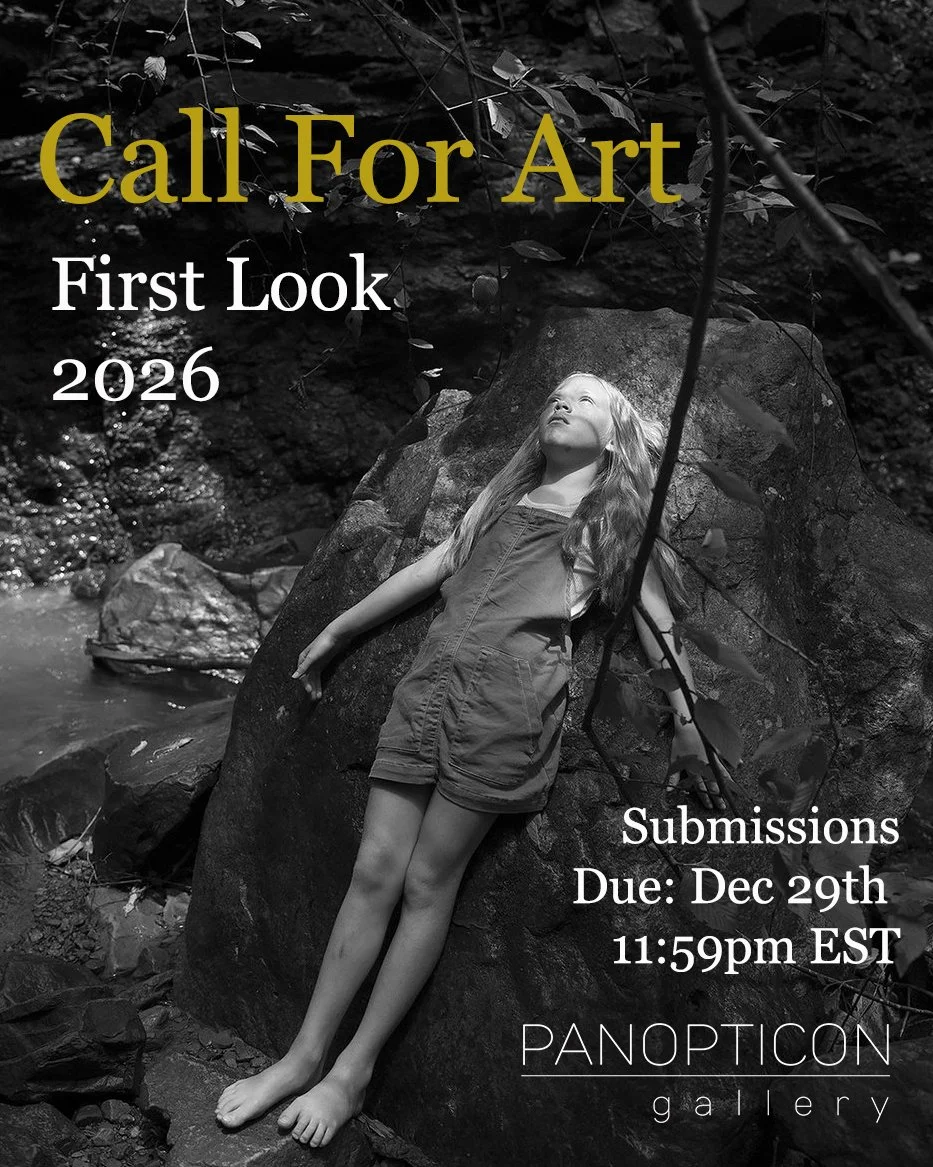
Submissions are due December 29th 2025 11:59pm EST
First Look Panopticon Gallery Call For Art

Image by Andriana Nativio, First Look 2025


Tech Blog: Colorspace, File Formats and Untagged Files

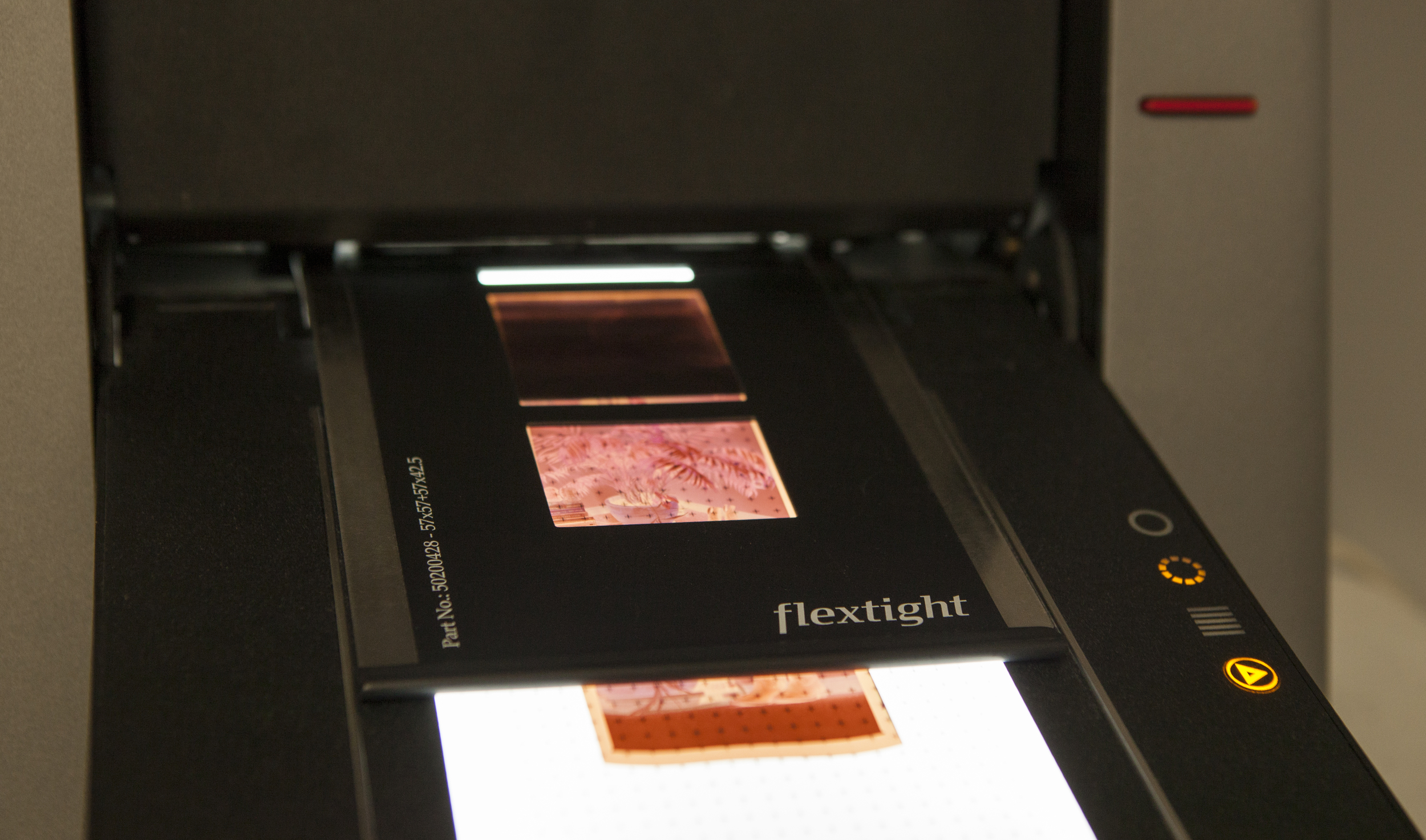
Have questions about digital printing? How to get images to us? What type of file to send? We have tried to start simply and move onto the more complex questions. If you have questions regarding any of this or just want to review the process with us, please call or email us! First things first… You can upload us files here and you will see this screen from Hightail. You can drag and drop your images for upload to us.

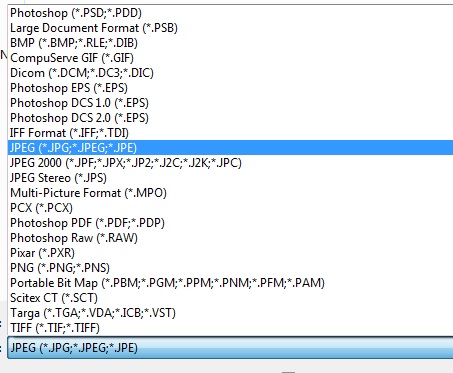
Do I send Jpg, tif or psd? Raw?

You can send us any of the above. We have provided some details below about the difference between each type of file.

Raw are the proprietary file from the camera manufacture. Some examples are: Canon (.crw, cr2), Nikon (.nef, .nrw), Sony (.arw, .srf, .sr2), Pentax (.pef, .ptx).  Raw files hold the most data from your digital camera and are the easiest file to adjust exposure, contrast, white balance and other fine tuning. We can edit your Raw files however this requires an editing charge.

JPG is best for web use, but still can be printed from if it has high enough resolution and was saved at a high enough quality. (80+ in Lightroom, 10+ in Photoshop).

PSD is an Adobe Photoshop proprietary format. It can handle all of Photoshop’s features, but has some compatibility issues with non-Adobe products and Lightroom. PSD has a 2gb files size limitation.  Due to the compatibility and size issues, PSD has been (or should be) replaced by TIF by most photographers.  We prefer TIF.

TIF is one of the most universally accepted formats. It can be opened by most image editing and page layout software. TIF supports all the same things as PSD and has a larger file size limitation (4gb).

Ultimately, just send us what you have and we’ll figure it out. Got layers, send us those too. We can always provide assistance with your files or if you want to sit with one of our Digital Technicians and review files in person.

OK, so a tif  file, 16bit or 8bit?

Either one is fine. Whatever works for you.

What color space should I sent it in? AdobeRGB98, sRGB, ProPhotoRGB

You can send us files in any of these color spaces. You should be working in either AdobeRGB98 or ProPhotoRGB to begin with. sRGB is meant as a web colorspace, anything you upload to your website or facebook should be in sRGB.

As far as AdobeRGB98 or ProPhotoRGB goes, it could go either way. ProPhotoRGB is much bigger than AdobeRGB98 and can produce more colors. However, you must work in 16bit with ProPhotoRGB otherwise you can end up with posterization effects (banding). The other down side to ProPhoto is it includes imaginary colors. Yes, I said imaginary colors. They (Kodak) made the ProPhotoRGB color space so big that 13% of the colors included do not exist in the real world and are not visible colors. This can lead to color issues when printing. Some colors will become over-saturated or will be estimated to its nearest in gamut color and can cause banding. Even the best printers in the world can’t print imaginary colors.

AdobeRGB98 is larger than sRGB, is easily printable by commercially available printers and includes no imaginary numbers. Its not perfect, nothing is, but it is the standard most of the photographic world uses.

If you have a gray scale file, that is fine as well. Gray Gamma 2.2 will do just fine.

What about CMYK?

Leave that to the offset printers. If you send us a file with a CMYK colorspace we will convert it to AdobeRGB98.

What about an untagged file?

If you send us a file with an untagged colorspace you will get a call from an angry elf… just ask Ron Cowie. Again, you can just send us what you have and we’ll figure it out. Following our recommendations makes it easier, but we are happy to help in whatever stage you are in!

Custom Wood Frames

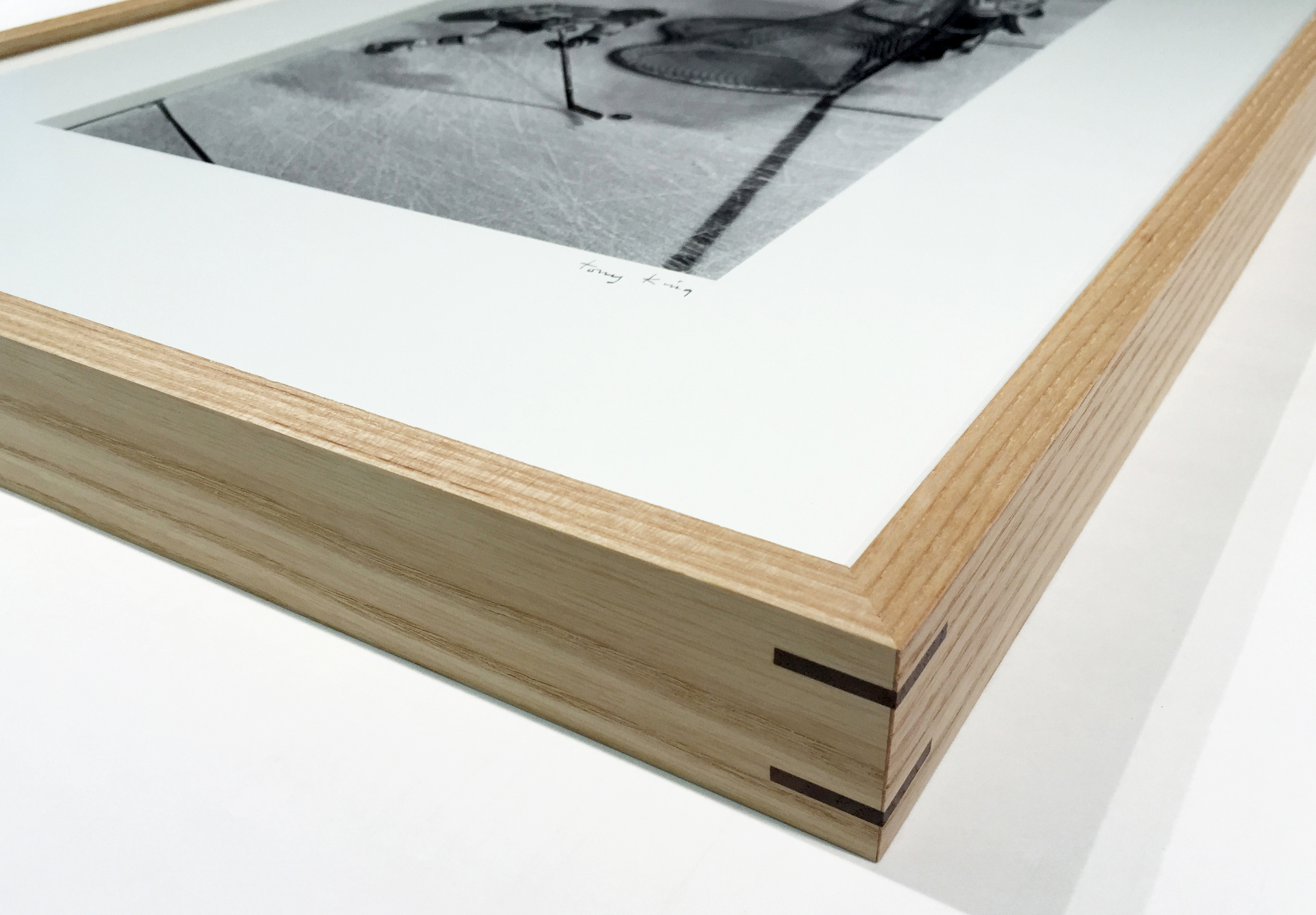
We love these custom wood frames from a local wood worker. The details and precision are amazing! Each molding can be made with Ash, Cherry, Maple, and Walnut woods with the option of staining or painting.

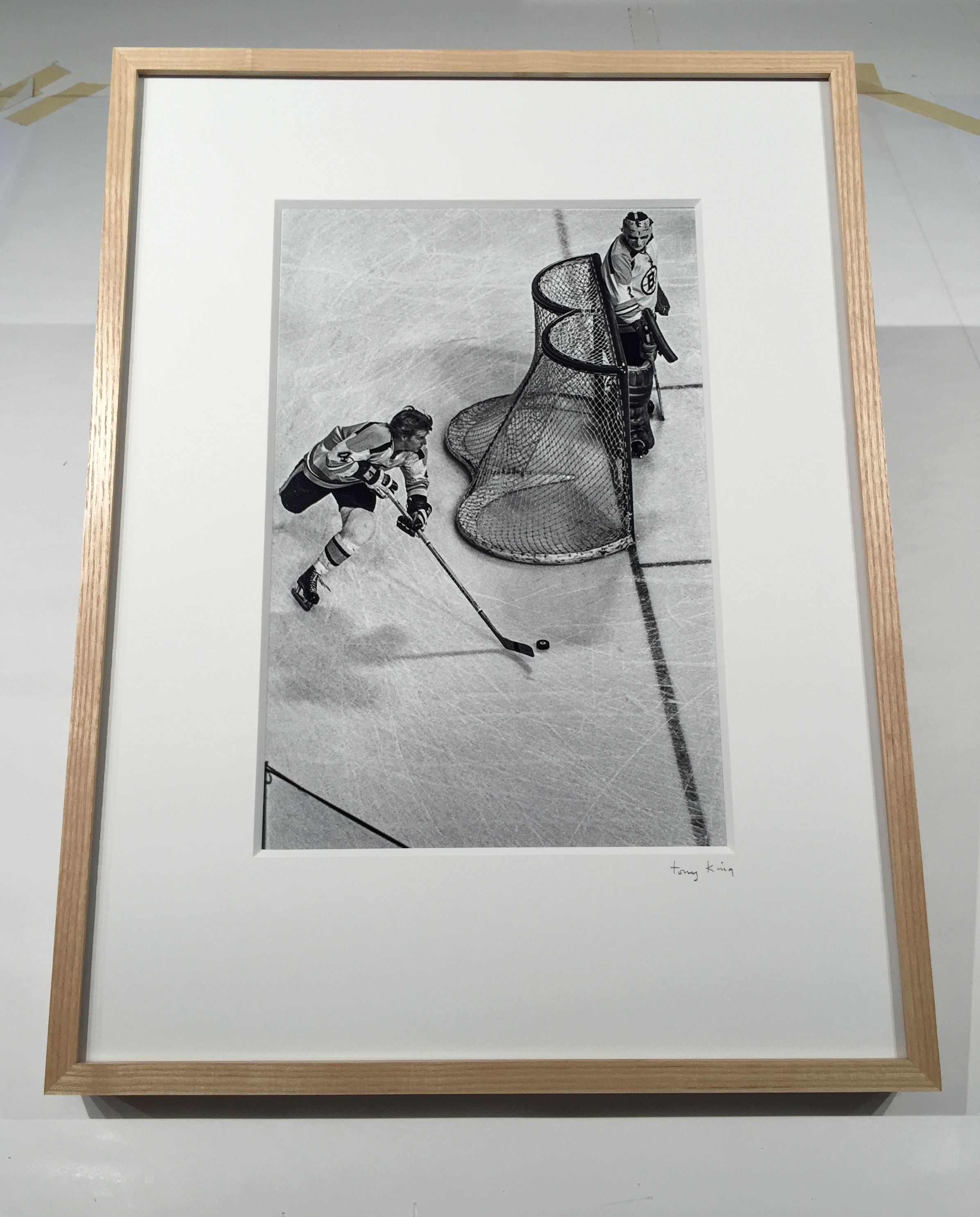
Here is Tony King's photograph we framed with the clear lacquered ash & maple splines:

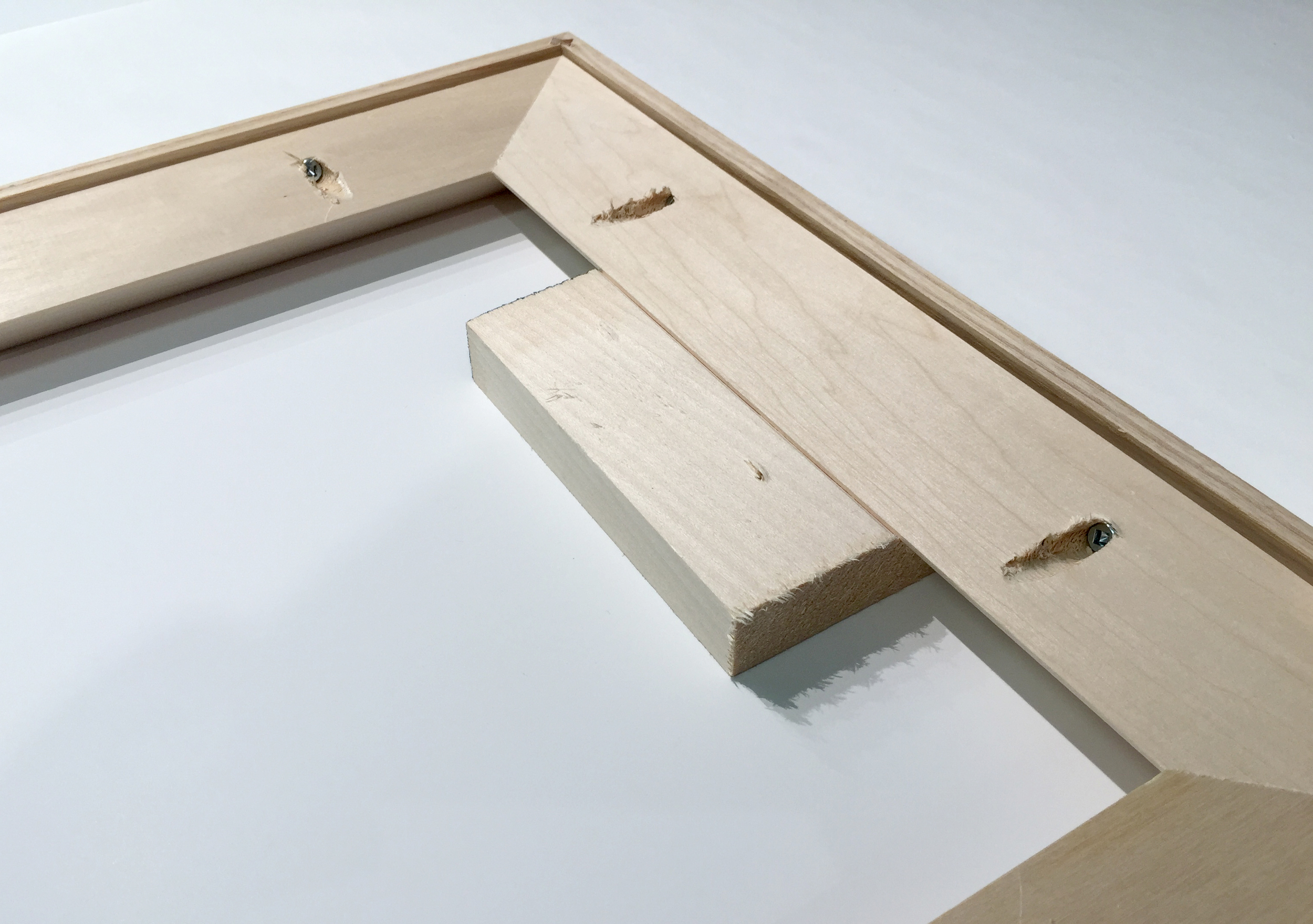
Assembling the matte, glass & frame

Finished framed photograph

Detail of the maple spline

One hanging option: french cleat

Second hanging option: wire with d-rings

Artist Spotlight: Fern Nesson

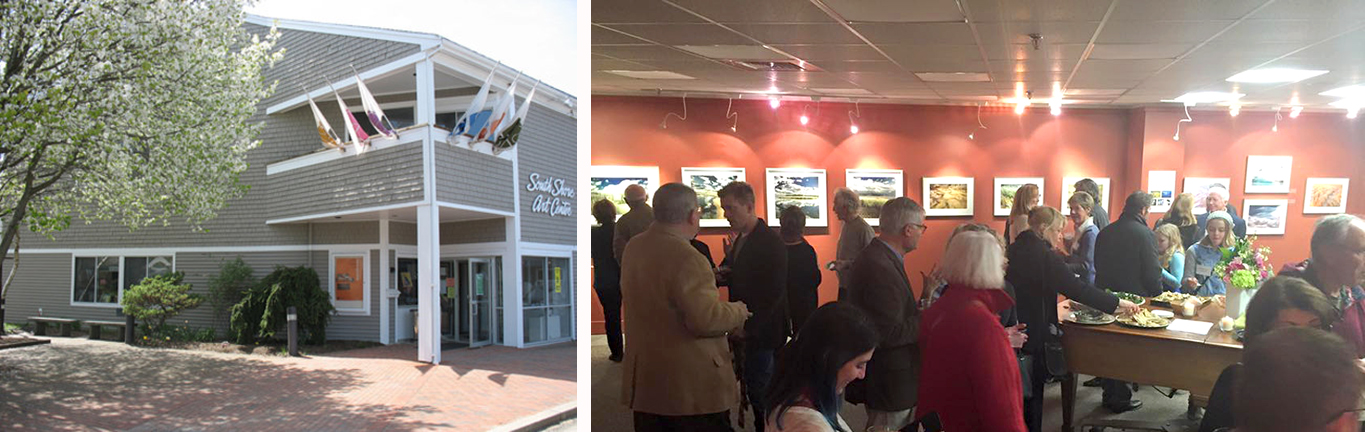
Fern Nesson is a fine art photographer living in Cambridge, MA. She practiced as a lawyer for twenty years and taught history at the Cambridge School of Weston and, for the past ten years, she was the College Advisor at the Commonwealth School. Fern is currently in her first year of the MFA program at Maine Media College. Her abstract work is rooted in the elegance of light and line and is currently on display in our gallery until May 14, 2016.

"Light Lines 1"

  • You have a background in law, how did you transition into the art world?

FN: I have taken a long journey through many, varied careers – lawyer, American historian, fiction and non-fiction writer, history, math and law teacher, college counselor -- but the spine of photography has run throughout my life. My father gave me my first camera when I was 8 and he taught me to develop my photos in the darkroom not long after. Since then, I have been engaged in looking at the world through a camera.

Until recently, photography was my hobby. I knew several great photographers (my father included) and followed their work with interest. About ten years ago, I interviewed my father and we published a book of his work. I have also collected photographs for many years. I am proud to own photographs by Michael Kenna, Ansel Adams and Bruce Cratsley, among others.

Several years ago, I decided to pursue my own photography more seriously. My initial goal was to learn to take better photos. I began by reviewing my past work and publishing several books of my photographs. Then I took a workshop in photography at the Penland School in North Carolina. Finally, last year, I quit my counseling job to do photography full-time.

It’s taken me a long time to accept the challenge of pursuing life as an artist but I am so thrilled to be doing it! Photography provides, as always, a wonderful way to experience the world and the improvement in the quality of my work as a result of studying and practicing it full-time is immensely rewarding.

"Morning Light 1"

  • You are currently attending the low residency masters program at Maine Media, tell us a little bit about the program. How has your work changed since starting your studies there?

FN: For my first semester, I am completing synergistic studio and academic projects, both entitled “An Exploration of Seeing.” Since November, I have taken over 20,000 (!) photographs, read a dozen of the great books about “seeing ” and written three lengthy papers describing the evolution of my own artistic vision. As an intellectual and artistic experience, a Maine Media education can’t be beat!

"Light Lines 3"

  • Your abstractions of light and shadow show a playful & insightful side to subjects we see everyday. How do you choose what you point your camera at?

FN: Light is the theme in all of my work. I don’t shoot objects for themselves; I shoot their interaction with light: are they illumined from within? Are they transparent? Are they reflective? Are they suffused with light? Do they glow? Are they in shadow? Do they sparkle? My subjects are quite varied but it’s all about the light.

"Morning Light 5"

  • What inspires you as an artist?

FN: I am drawn to elegance. In choosing a subject or a scene, I seek elegance in pattern, line, color and shape. I prefer the intricate, small detail, over the panorama. My photographs are abstract but not in the sense of removing detail; just the opposite. I focus on an element and I abstract it through the use of an unusual perspective or point of view.

"Light Lines 5"

  • Your current exhibition in our gallery space is a selection of images from various portfolios. How do you feel the individual pieces interact with one another as a whole?

FN: The photographs in my show, “The Light Dances,” are selected from three different series, which I shot in 2015-6. Although they are of radically different subjects – trees at night, a Calder stabile, and the curtains in my bedroom – they have certain underlying and essential characteristics in common.

First, they are each about light: light as it illumines and ennobles a dark object, light as it enhances a sculpture by throwing off shadows, light as it sparkles and brightens a cold winter landscape.

Second they are multiples. Varying the point of view on a single object takes advantage of all angles of the object and allows maximum concentration upon its interaction with light. The multiplicity of views points up what is so great about our existence: we all see things differently from each other and it is that very diversity that makes art and life so interesting.

Third, they use the power of black. Light as a subject shows up so beautifully when it is contrasted with black. Color can seem sometimes to be cheating; it can make even a dull picture interesting but black is a challenge. If you use it well, you get drama; if you use it badly, you get nothing.

"Stabile 1 - 4"

Packing Tips: Safe ways to wrap & handle Your Artwork

Here at Panopticon we have seen it all for packing material; Blankets, towels, trash bags or worst of all nothing. Framing is expensive and we have some tips on how to keep your frames and artwork safe!

  1. Cardboard Corner Protectors

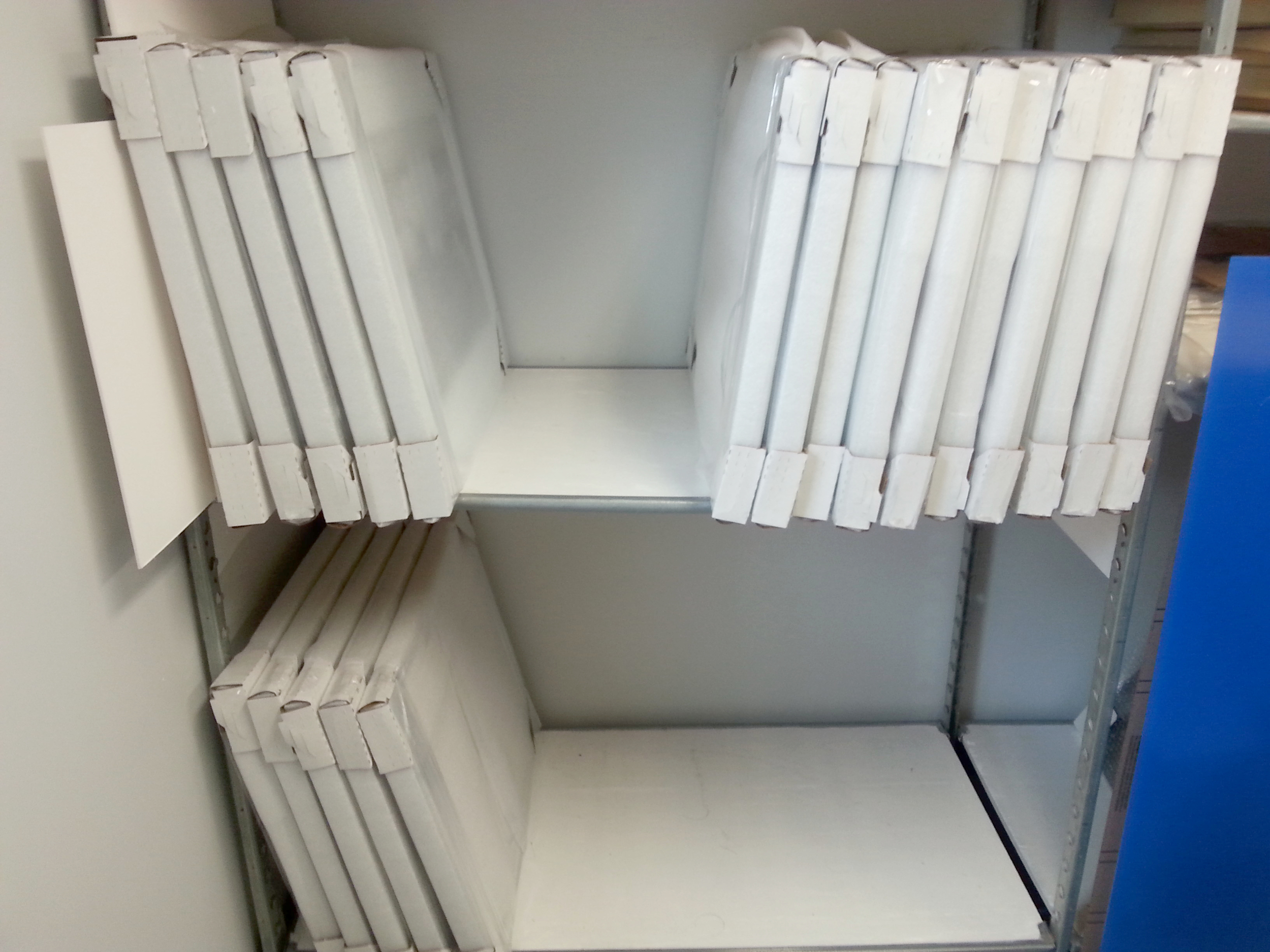
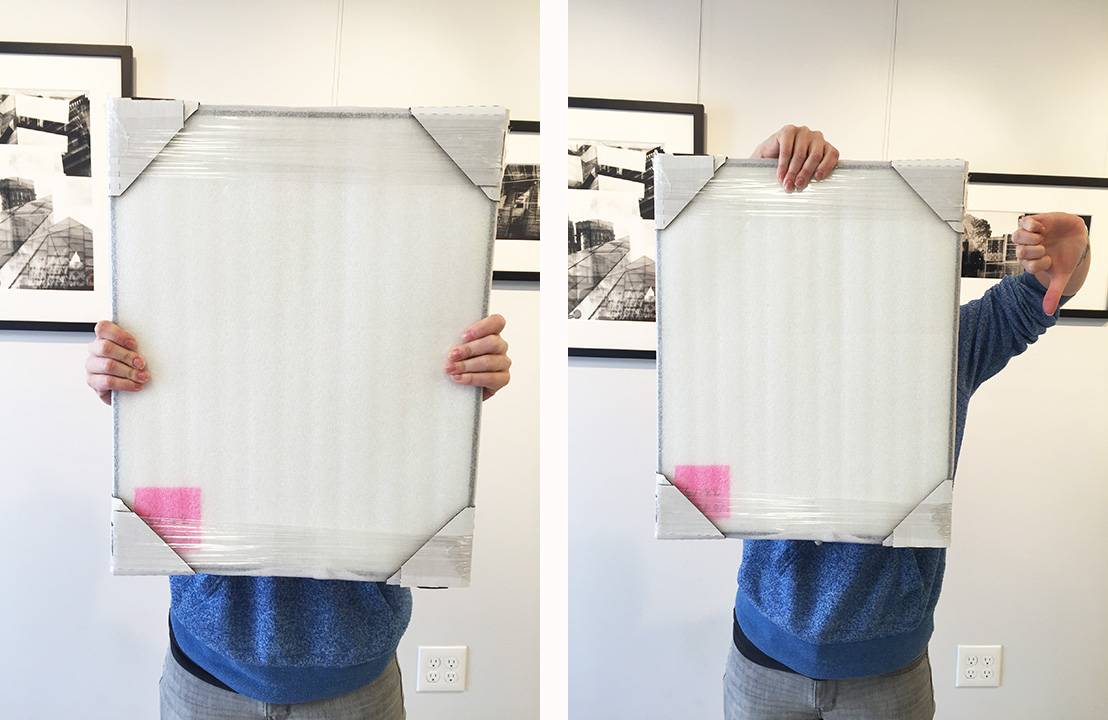
You can always DIY them yourself using scrap cardboard, buy them from Amazon in small batches or order bulk from Uline. This will prevent any rubbing / scratching of the frames. Corners are helpful if you have multiple frames that are all the same size. However, this will not protect the whole frame or the glass/PlexiGlas.

  1. Properly Stack them

Make sure to stack your frames vertically and to place them glass to glass and back to back while storing them. This will prevent the hardware from rubbing against your frame. The metal hardware and wire will ding the wood or scratch metal frame very easily. This goes for when they are wrapped or unwrapped.

  1. Bubble Wrap

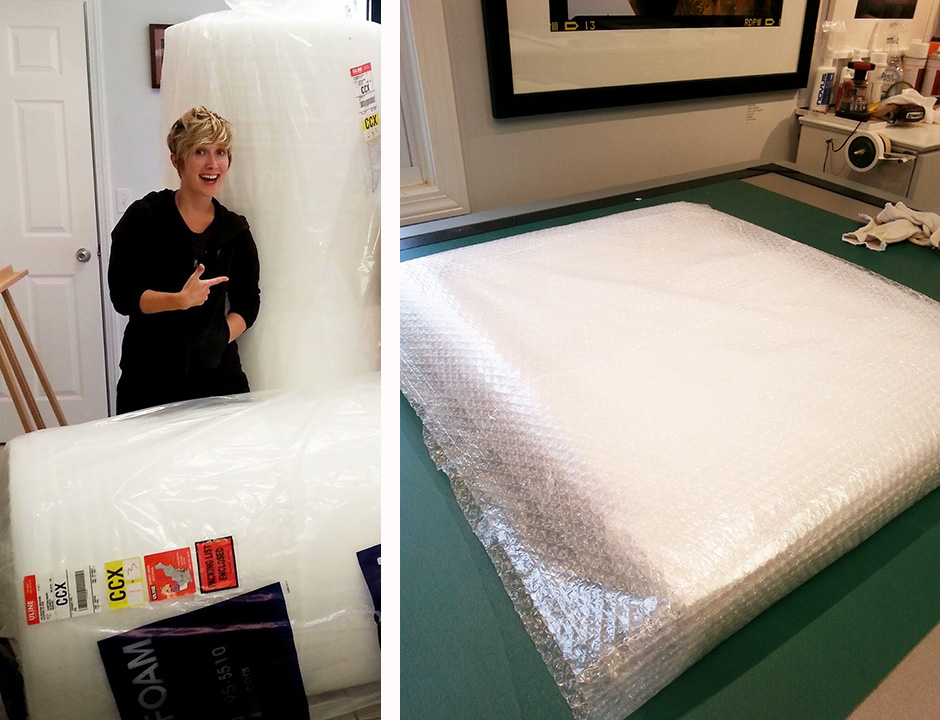
Keep your towels for the beach! While towels might be helpful at home this is not a good or effective solution for preventing damage, as there is no spring to the towel. Foam wrap or bubble wrap will take the impact and prevent your frame from getting damaged. You can order bubble online, pick it up from Uline or your local office supply store.

  1. Use Two Hands

Always pic up your frame using two hands! If it is a large image and you grab it by the top it can pull and your glazing can pop out of the frame. Ten and two just like driving school.

  1. Have us wrap it for you!

If all of this material is too much to handle we can ease your burden! Wrapping images properly is fun for us. We take care of your beloved artwork and make sure it is safe for handling and transport. If it is local we can deliver it for you or even ship your images. Let us know!